
Quick Overview
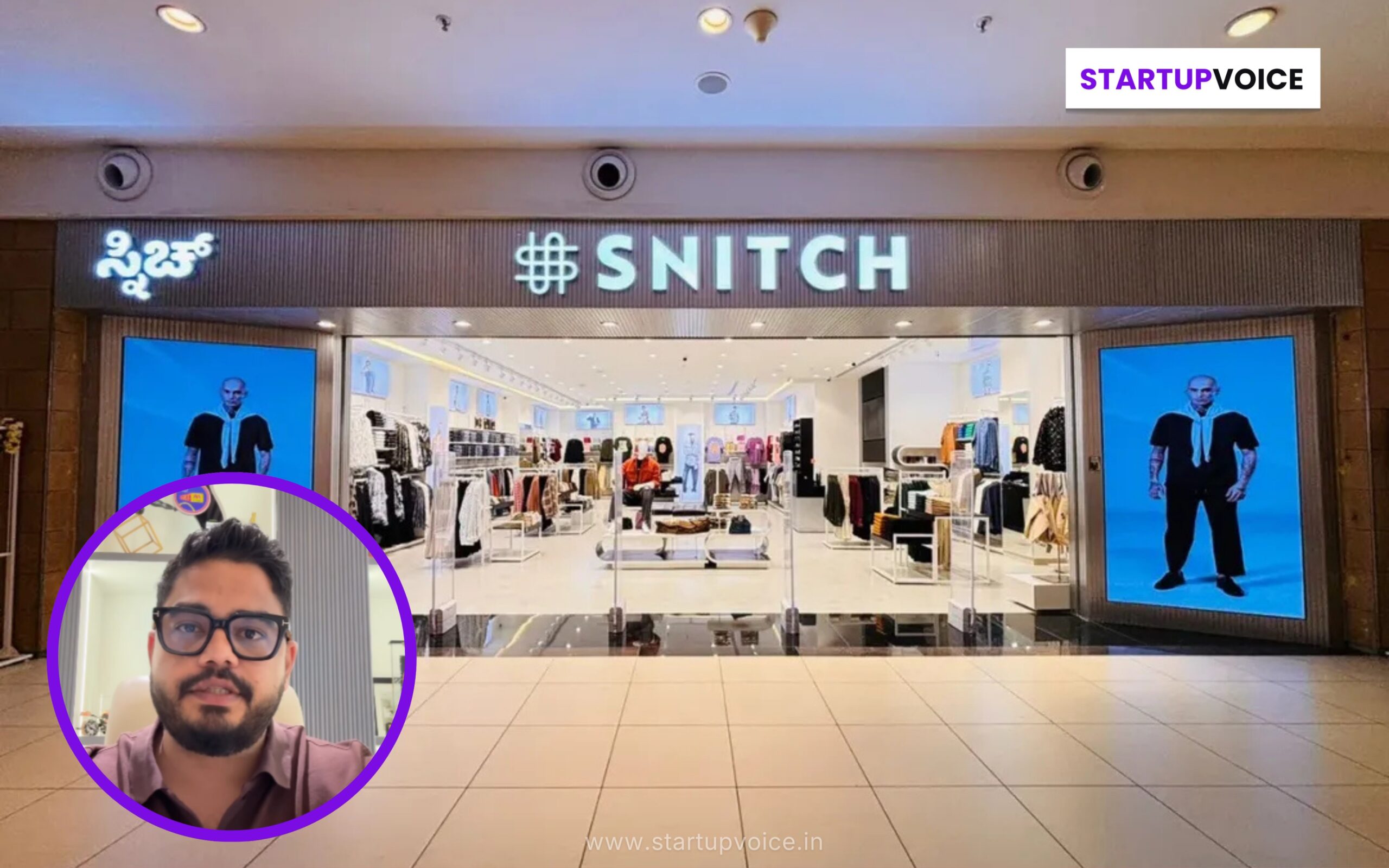
India’s D2C fashion space has delivered another high-growth story. Snitch, a men’s fashion startup, reported a sharp twofold jump in revenue in FY25, with its topline rising to ₹505.75 crore from ₹243 crore in FY24, as per financial filings sourced from the Registrar of Companies (RoC).
The Founder Behind the Scale
Founded in 2019 by Siddharth Dungarwal, Snitch has rapidly evolved from a digital-first brand into a fast-scaling omnichannel menswear company. The brand gained national visibility after its appearance on Shark Tank India Season 2, which played a key role in accelerating its consumer reach and investor interest.
Inside the FY25 Numbers
Snitch generated ₹498 crore from operations and ₹7.5 crore from non-operating income in FY25. However, the cost of scaling rose sharply. Employee benefit expenses jumped 3.7X to ₹65.2 crore, while marketing spends surged 2.3X to ₹82.6 crore. Total expenses climbed to ₹508 crore, nearly matching the company’s revenue for the year.
From Profit to Loss
Despite strong topline growth, Snitch reported a net loss of ₹1.7 crore in FY25, reversing a ₹4.3 crore profit recorded in FY24. The company spent ₹1.02 to earn every rupee during the year, compared to ₹0.98 in the previous fiscal—highlighting the pressure aggressive expansion can place on margins.
Why This Matters
Snitch’s performance reflects a broader D2C reality in India, where rapid scale, offline expansion, and brand-building often come at the cost of short-term profitability. With 100+ physical stores, entry into the UAE market, and the launch of a 60-minute apparel delivery service, the brand is clearly prioritising market leadership over immediate profits.
Conclusion
Snitch’s FY25 story is a clear example of the trade-off between speed and sustainability. While the brand has successfully crossed the ₹500 crore revenue mark and strengthened its omnichannel presence, the financials underline the importance of disciplined spending. As Snitch continues its expansion journey, its next phase will be closely watched—especially how it balances growth ambitions with profitability in an increasingly competitive D2C fashion market.