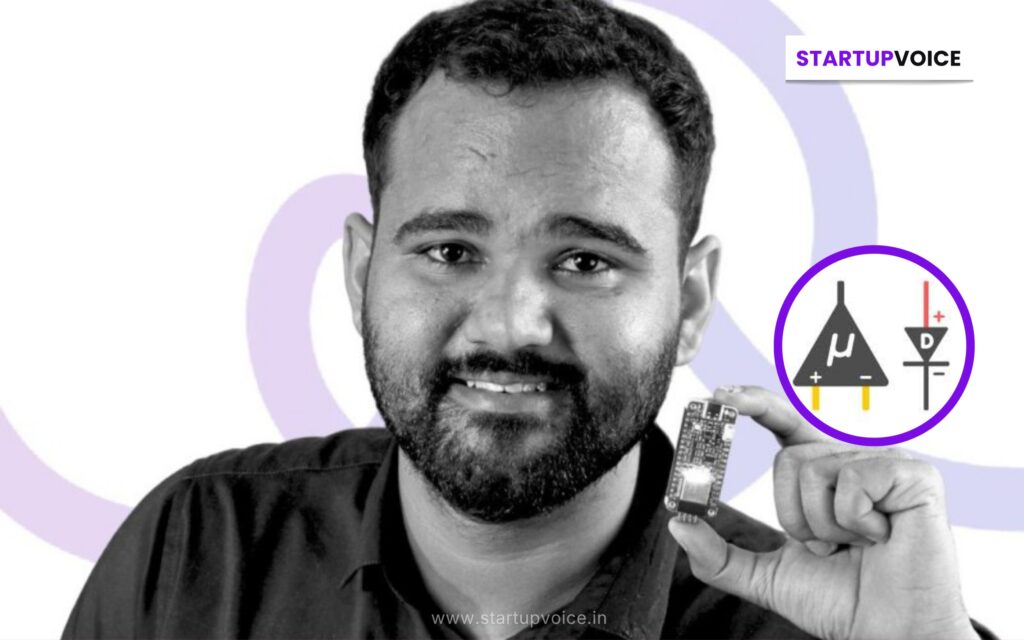

How Deepak Khatri Is Building Upside Down Labs to Bring Practical Neuroscience Learning Within Reach
In recent years, neuroscience has moved from being a highly specialised academic subject to a field that is shaping conversations around healthcare, education, and technology innovation. As scientists continue to explore how the human brain and nervous system influence behaviour, cognition, and physical health, the need for accessible research and learning tools has become increasingly important.
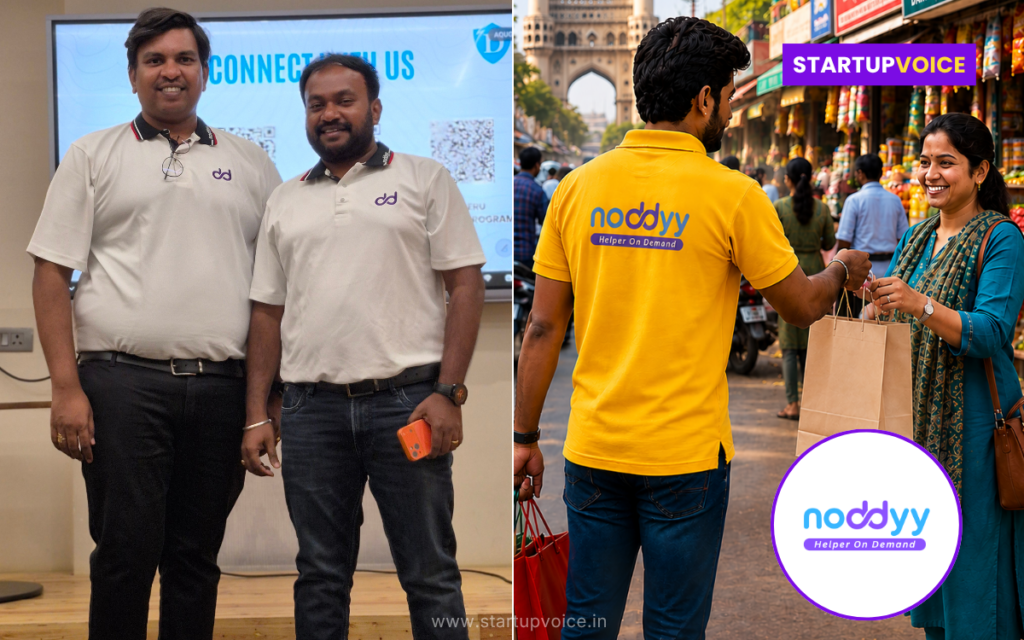
Amid this growing global interest, Upside Down Labs, founded by Deepak Khatri in 2020, is working to make neuroscience learning more hands-on and inclusive. The startup focuses on developing affordable do-it-yourself (DIY) neuroscience kits that allow users to capture and interpret signals from the human body. By simplifying complex technology into easy-to-use devices, the venture is gradually building a community of learners, innovators, and educators across India and beyond.
The relevance of such efforts is evident in today’s healthcare landscape. Neurological conditions are becoming a growing public health concern worldwide, creating urgency around better awareness, research capability, and innovation. While large institutions continue to lead advanced research, startups like Upside Down Labs are playing a complementary role by enabling grassroots experimentation and practical learning.
The Beginning of the Startup
The idea behind Upside Down Labs emerged from a simple yet powerful realisation. During his early engineering projects, Deepak Khatri noticed that neuroscience equipment was often priced far beyond the reach of most students and independent innovators. Universities might have access to advanced systems, but practical exposure remained limited to a small group of researchers.
This gap between theoretical education and real-world experimentation inspired him to explore affordable alternatives. What began as small prototypes built through trial, error, and community feedback gradually evolved into structured DIY kits designed for learning and innovation. By 2020, these efforts formally took shape as Upside Down Labs, with a mission to make neuroscience tools accessible to a wider audience.
Founder Background and Inspiration
Deepak’s journey reflects the curiosity-driven path often seen among India’s hardware innovators. With a strong interest in electronics and embedded systems, he developed his skills through practical experimentation and participation in maker communities.
His inspiration also came from understanding the real-world implications of neuroscience research. From rehabilitation technologies to wearable health devices, he saw how insights into human physiology could improve quality of life. This perspective motivated him to focus on building solutions that could empower learners and innovators rather than remaining confined to high-end laboratories.
The influence of open-source learning environments further strengthened his belief that knowledge should be shared and technology should be accessible.
The Problem the Startup Is Solving
Despite rising interest in neuroscience and human–computer interaction, access to specialised tools continues to be a challenge in many parts of India. High equipment costs often limit hands-on exposure for students, while independent developers face technical and financial barriers when attempting to build prototypes.
This lack of accessibility can slow innovation cycles and reduce opportunities for practical skill development. Upside Down Labs aims to address this challenge by offering entry-level neuroscience kits at a price point that makes experimentation more inclusive. By lowering barriers, the startup hopes to encourage early-stage research, creative projects, and interdisciplinary collaboration.
The Product or Solution
Upside Down Labs develops DIY kits capable of recording biopotential signals generated by the human body. These include electrical signals associated with brain activity, muscle movement, eye motion, and heart rhythms. Once captured, the signals can be converted into digital data that users can analyse or integrate into real-time applications.
Such tools open possibilities for creating interactive systems where users can control devices, explore health indicators, or design educational demonstrations. The startup’s focus on modular design ensures that beginners can start with basic experiments and gradually explore more advanced applications.
Workshops, online tutorials, and community-driven initiatives complement the hardware offerings, helping users understand both scientific concepts and practical implementation techniques.
Growth, Challenges, and Vision
Building a hardware-led deep-tech startup comes with its own set of challenges. From managing component sourcing to maintaining product reliability at affordable prices, Upside Down Labs has had to navigate complex development cycles. Market awareness has also been a gradual process, as neuroscience-based tools are still an emerging category for many potential users.
However, the startup has steadily built traction within educational and maker ecosystems. Early adopters — ranging from school students to research enthusiasts — have contributed valuable feedback that has shaped product iterations.
Looking ahead, Deepak Khatri envisions expanding institutional collaborations and strengthening the learning ecosystem around practical neuroscience. The long-term goal is to nurture a culture where curiosity about the human brain translates into meaningful innovation, supporting both scientific discovery and inclusive technology development.
Why This Startup Matters Today
As India continues to encourage research-driven entrepreneurship, ventures like Upside Down Labs highlight the importance of enabling infrastructure for innovation. By focusing on accessibility and community engagement, the startup reflects a broader shift toward purpose-led entrepreneurship.
Its journey demonstrates that meaningful technological progress is not always about scale alone. Sometimes, it begins with creating opportunities for students to experiment, for educators to teach practically, and for innovators to explore ideas that could shape the future of healthcare and human-machine interaction.
FAQs
What is Upside Down Labs known for
It is known for developing affordable DIY neuroscience kits for learning and experimentation.
Who founded Upside Down Labs
The startup was founded by Deepak Khatri in 2020.
What kind of signals can these kits record
They can record biopotential signals such as brain activity, muscle movement, eye motion, and heart rhythms.
Who can use Upside Down Labs products
Students, educators, researchers, hobbyists, and healthtech innovators can benefit from these tools.
What is the mission of the startup
Its mission is to make neuroscience learning practical and accessible to a wider community.