

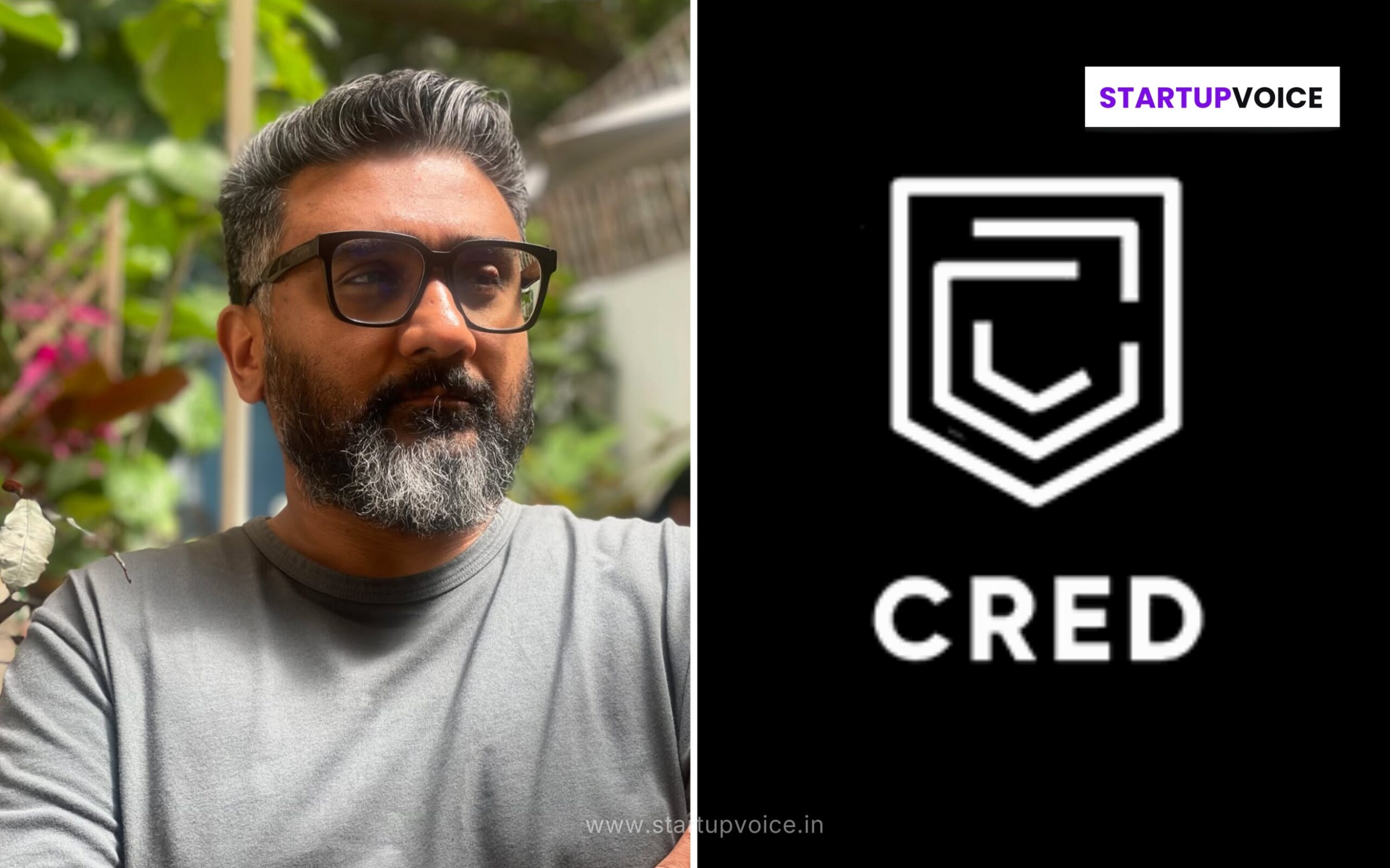
India’s fintech landscape has grown rapidly over the past decade, driven by digital adoption, smartphone penetration, and a new generation of consumers seeking convenience and transparency. Among the startups shaping this shift is CRED, a platform that has captured attention for focusing on a specific but influential segment of India’s credit card users.
Founded by serial entrepreneur Kunal Shah, the startup set out with a simple yet ambitious idea — to build a community-driven platform for financially responsible individuals while improving the way Indians interact with credit. At a time when digital payments were booming but credit behaviour remained fragmented, the startup’s approach stood out for its focus on trust, design, and long-term user engagement.
Today, the platform is widely discussed in India’s startup ecosystem — not only for its product experience but also for its unconventional branding and strategic positioning. Its journey reflects broader trends in India’s fintech evolution, where consumer behaviour, financial awareness, and technology intersect in meaningful ways.
The Beginning of the Startup
The idea behind CRED did not emerge overnight. It was shaped by years of observation of India’s evolving financial habits. As digital payments gained traction through UPI apps and wallets, a parallel reality existed — credit card users often lacked tools that made managing credit rewarding or intuitive.
In its early days, the startup focused on building a curated user base rather than chasing rapid scale. This decision influenced everything from product design to marketing communication. Instead of targeting the entire market, the company initially concentrated on high-credit-score individuals, creating a sense of exclusivity and community.
The early phase involved extensive experimentation — understanding user psychology, building trust mechanisms, and designing an interface that felt different from traditional financial apps. For the founding team, this period was less about metrics and more about laying a foundation for long-term brand perception.
Founder Background and Inspiration
Before launching CRED, Kunal Shah had already experienced the highs and lows of entrepreneurship. Known for his earlier venture in the payments space, he gained deep insight into how Indians manage money and adopt technology.
His academic background in philosophy and his early exposure to behavioural economics shaped his thinking about consumer motivation. Rather than viewing finance purely as a transactional activity, he saw it as a reflection of lifestyle choices and long-term aspirations.
This perspective became central to his entrepreneurial philosophy. He often spoke about the importance of building products that encourage better financial habits instead of merely offering convenience. The inspiration behind his new venture was rooted in this belief — that responsible financial behaviour could be made aspirational.
The Problem the Startup Is Solving
Credit penetration in India has historically been lower than in many developed economies. Even among credit card users, awareness around billing cycles, rewards optimisation, and financial discipline has been inconsistent. Many consumers viewed credit cards as short-term spending tools rather than instruments of financial planning.
The startup identified this behavioural gap. While payment apps simplified transactions, there were limited platforms focused on improving how people managed their credit profiles. Users often lacked incentives to pay bills on time or to understand the long-term benefits of maintaining a healthy credit score.
In addition, financial institutions struggled to engage premium users beyond standard reward programs. This created an opportunity for a digital platform that could bridge the gap between banks, brands, and consumers through a unified experience.
The Product or Solution
At its core, CRED offers a mobile platform where users can manage their credit card payments while earning rewards for responsible behaviour. The app integrates bill reminders, payment options, and curated offers into a single interface designed for simplicity.
One of its defining aspects has been its attention to design and brand storytelling. From its user interface to its advertising campaigns, the startup positioned itself differently from conventional fintech products. The messaging often leaned towards lifestyle and community rather than pure financial utility.
Beyond bill payments, the platform gradually expanded into features such as curated shopping experiences, financial insights, and credit-related tools. These additions aimed to deepen user engagement and transform the app into a broader ecosystem rather than a single-use utility.
Business Model
The startup’s revenue model reflects its ecosystem approach. Instead of relying solely on transaction fees, it explores multiple streams such as brand partnerships, financial product distribution, and premium user engagement initiatives.
Collaborations with banks and lifestyle brands allow the platform to create targeted campaigns for a high-quality user segment. This positioning helps partners reach consumers who are more likely to engage with premium offerings.
In addition, the startup’s strategy indicates a long-term vision of monetisation through financial services expansion. By building trust and consistent engagement, it aims to introduce new products aligned with user needs over time.
Growth and Milestones
Since its launch, CRED has experienced steady visibility within India’s startup ecosystem. Its growth has been shaped not just by product adoption but also by distinctive marketing initiatives that sparked conversations online and offline.
The company’s campaigns often blended humour with nostalgia, helping it stand out in a crowded fintech market. This creative approach contributed to brand recall, especially among urban professionals.
On the product front, continuous feature upgrades and strategic partnerships have supported its expansion. While the startup has maintained a relatively focused user segment, its brand presence has reached a much wider audience, reflecting the power of storytelling in modern startup growth.
Challenges and Key Learnings
Building a fintech platform in India comes with unique challenges — regulatory complexity, evolving consumer trust, and intense competition. For the founder and his team, balancing innovation with compliance has been a constant learning curve.
Another challenge has been managing public perception. A strong brand identity brings attention, but it also raises expectations around product delivery and financial performance. Navigating this dynamic requires transparency and adaptability.
Internally, the journey has highlighted the importance of patience in building a differentiated product. Rather than rushing into aggressive expansion, the startup’s experience suggests that thoughtful scaling can sometimes create deeper long-term value.
Future Plans and Vision
Looking ahead, the startup’s roadmap appears focused on strengthening its position within India’s digital financial ecosystem. This includes exploring additional financial services, enhancing personalisation features, and deepening partnerships across sectors.
There is also growing interest in leveraging data insights to offer smarter financial recommendations. As consumer expectations evolve, the platform’s future success may depend on how effectively it balances innovation with user trust.
From a broader perspective, the company’s vision reflects a shift in India’s fintech narrative — moving from transaction-led growth to behaviour-led engagement. This transition could influence how new startups design products in the years to come.
Why This Startup Matters Today
India is witnessing a transformation in financial awareness. Younger consumers are increasingly conscious about credit scores, savings habits, and digital convenience. In this context, platforms that encourage responsible financial behaviour are becoming more relevant.
The startup’s journey illustrates how niche positioning can create meaningful differentiation. By focusing on a specific user segment and building a strong brand narrative, it has contributed to conversations around credit culture in India.
Its story also reflects a broader ecosystem trend — the blending of finance with lifestyle experiences. As fintech becomes more integrated into everyday life, startups that understand human behaviour may have a stronger chance of building lasting connections.
Lessons from the Founder’s Journey
The entrepreneurial path of Kunal Shah offers valuable insights for aspiring founders. One key takeaway is the importance of learning from past ventures and applying those lessons to new ideas.
Another lesson is the power of clarity in positioning. By choosing to build for a well-defined audience, the startup created a brand identity that resonated strongly with its users. This approach highlights that growth is not always about scale alone — it can also be about depth and engagement.
Finally, the journey underscores the role of storytelling in entrepreneurship. In a competitive market, a compelling narrative can help startups build emotional connections with their audience while staying grounded in realistic execution.
As India’s startup ecosystem continues to mature, stories like this serve as reminders that innovation often lies in rethinking familiar problems with fresh perspective and long-term intent. 🚀✨
FAQs
What does CRED do
It is a fintech platform that helps users manage credit card payments while offering rewards and curated financial experiences.
Who founded CRED
The startup was founded by entrepreneur Kunal Shah, known for his earlier ventures in India’s digital payments space.
What problem is the startup trying to solve
It focuses on improving credit behaviour awareness and creating incentives for responsible financial habits.
How does CRED make money
Its revenue streams include partnerships with brands and financial institutions, along with potential expansion into financial services.
Who can use the platform
Initially, it targeted users with higher credit scores, though its brand awareness extends beyond its core user base.
Why is CRED important in India’s fintech ecosystem
It reflects the growing shift towards behaviour-driven financial platforms that combine technology, trust, and lifestyle engagement.